Search Results
Search this site
192 results found with an empty search
- DEATHWOODS Brings Old-School Slasher Carnage to Theater Before Screambox Debut
MoreHorrorMovies.com - You’ll bring a sleeping bag — but you’ll leave in a body bag. Fans of practical gore and classic slasher films have another blood-soaked title to add to their watchlist. Deathwoods, an upcoming independent horror film from Dark Dreams Productions, Simpatico Pictures, and Doctor Horror, draws inspiration from cult favorites like The Burning, Madman, and Pieces, delivering a modern slasher built around practical effects, brutal kills, and backwoods terror. The film will make its world premiere on August 7, 2026, at 7:00 p.m. at Tara Atlanta (2345 Cheshire Bridge NE, Atlanta, Georgia) before heading to Screambox later this summer, as well as digital and streaming. Get tickets to the theatrical screening here. Set in the forests surrounding Old Hickory, Tennessee, Deathwoods follows Scott, who joins friends on a camping trip after a painful breakup. What begins as a chance to move forward quickly spirals into a fight for survival as an old local legend emerges from the shadows. One by one, the group falls victim to the terrifying force said to haunt the woods. The film's mythology traces back twenty years to the murder-suicide of the Wallace family. Stories of a grotesquely mutated child survived long after the tragedy itself, growing into an urban legend that Scott and his friends soon discover carries a horrifying truth. Deathwoods was created by writer and executive producer Scott Conner and co-directed by Jake Kopronica (Purgatory Station, Int. Hallway/Night) and Deryk Wehrley (Crust, Watchdog, Zombieland: Double Tap). Kopronica also co-wrote, produced, and appears in the film, while Wehrley handled the special effects makeup. Cinematographer Jaren J. Lewis (Crust, Watchdog, Deadly Endings) brings the film's gritty visual style to life. The ensemble cast features horror icon Felissa Rose (Sleepaway Camp, Terrifier 2, Victor Crowley), LC Holt (You're Next, V/H/S 2), KateLynn E. Newberry (Juror #2), Jessa Jupiter Flux (Murdercise), Celeste Blandon, and introduces Miles Dimitri Baker of Ice Nine Kills in his acting debut alongside Anthony Dain, Kellan Jackson, and MacKenzie Lee. Tickets for the world premiere are currently available through Dark Dreams Productions. Horror fans looking for a throwback slasher packed with practical gore and old-school atmosphere will want to keep Deathwoods on their radar when it arrives on Screambox later this summer.
- 'PARALYSIS' Releases on Digital and On Demand
MoreHorrorMovies.com - PARALYSIS, an action horror film by Uncork'd Entertainment, is now available on Digital and On Demand. Directed by and starring Louis Mandylor from the My Big Fat Greek Wedding franchise, the film presents a gritty narrative of revenge and justice against the backdrop of a city threatened by a deadly designer drug. A nurse, secretly in love with a respected doctor, seeks vengeance after learning of his family's brutal murder. She targets the gang responsible, using their own drug, "Paralysis," to incapacitate them and exact her chilling revenge. PARALYSIS features Michael Copon (One Tree Hill, Power Rangers Time Force), Peter Dobson (Forrest Gump), and Louis Mandylor. The screenplay is by Niko Foster and Sophia Louisa.
- ‘Ice Cream Man’ Review: Eli Roth’s Summer Treat Melts Before It Reaches the Finish Line
By Seth Metoyer, MoreHorrorMovies.com - *This review contains spoilers. Proceed with caution. Eli Roth’s Ice Cream Man opens with a Little League baseball game, and for several minutes, I thought the movie had discovered the perfect doorway into its particular brand of summertime horror. The kids argue, posture and perform the ancient rituals of the neighborhood ball field. There are nerds, bullies, swaggering players and young coaches already practicing the authoritarian confidence they will someday bring to homeowners’ association meetings. Even the umpire looks like a kid who happens to be two years older than everyone else and has managed to grow a scraggly mustache and a few ambitious strands of chin hair. At one point, he throws his arms out and yells, “SAFE! SAFE! SAFE!” toward both dugouts and seemingly half the surrounding county. It made me cackle outloud. I remembered those games from my own childhood in the 1980s, when several teams would play across the same dusty complex and an absent umpire could result in one of the older kids getting recruited to call a younger game. I loved The Bad News Bears. I also loved horror movies. Plenty of Gen-X kids did. We could spend the afternoon arguing over a strike zone and the evening watching something claw its way out of a grave. The opening realizes the ecosystem beautifully. It captures how childhood summers once felt endless, unsupervised and slightly dangerous even before the monster arrived. The creepy ice cream truck rolls into town. The truck looks great. So does Ari Millen as the Ice Cream Man, a clammy, socially malformed figure who resembles the kind of neighborhood eccentric every kid instinctively watches from the opposite side of the street. The production gives him the right vehicle, the right wardrobe and the right unnerving presence. He looks as though someone left the town nerd inside a freezer for twenty years and thawed him out with several major grievances intact. The premise also t0uts the uncomplicated appeal of a playground urban legend. Children eat the Ice Cream Man’s frozen treats and become homicidal, blue-lipped zombies; or possessed sugar fiends, depending on how precisely one wants to diagnose the condition. The town quickly fills with pint-sized killers, nervous parents and enough improvised carnage to make the local summer recreation department reconsider its liability coverage. Roth clearly understands the joke. Childhood innocence becomes the weapon and that soothing melody of the ice cream truck becomes a dinner bell for murder. It moves forward like The Children filtered through The Bad News Bears, with a helping of Freddy Krueger mythology scooped on top. The flick also comes with the built-in expectation attached to Roth’s name. This is the filmmaker behind Cabin Fever, Hostel and The Green Inferno, movies that knew how to convert bodily destruction into an entire cinematic philosophy. Even when Roth’s films divided audiences, they usually displayed a sharp commitment to their own madness. Ice Cream Man feels strangely casual by comparison. The cinematography, sound design and general presentation often feel like an extremely low-budget production. I have produced more than twenty independent features, so I recognize that texture immediately. Wonder if that was on purpose? You learn to spot the hastily dressed room, the thin ambience, the coverage designed to get everyone home before overtime and the scene that technically works while still feeling one careful pass away from truly landing. A family dinner sequence featuring Roth in a small role especially locked the film into that B-movie register for me. The modest approach may represent a deliberate attempt to recreate the bargain-bin horror aesthetic of an earlier era. Either way, the finished result frequently resembles one of the regional horror productions Roth’s name once promised to elevate. The kills provide intermittent fun. The practical effects deliver several gooey sights worthy of the premise, and Roth remains fluent in the visual grammar of splatter. The problem lies in the staging surrounding those effects. Several deaths feel rushed, loosely blocked or presented with so little dramatic pressure that the gore becomes the entire sentence rather than its exclamation point. A severed body part can get a reaction. A well-constructed scene makes us anticipate it, dread it and laugh when the movie finally drops it into our lap. The film’s central stretch also tests the limits of its concept. For nearly an hour, children roam through town in a murderous trance. They attack adults, force-feed ice cream to other kids and shuffle from one set piece to the next like a zombie outbreak sponsored by Baskin-Robbins. To me, this would have made excellent material for a vicious 20- or 30-minute short. At 86 minutes, it begins to feel like a short film wearing a feature-length trench coat. Even thought Ice Cream Man never lacks activity (people screaming, children attacking, cones dripping, bodies dropping...etc.), yet movement and momentum remain different cinematic substances. The movie keeps moving while the story waits for its final act to arrive. The mythology eventually becomes more interesting than the rampage. A necromancer offers a falsely accused ice cream man the chance to punish the parents who once blamed him for horrific crimes. The arrangement carries an unmistakable whiff of Elm Street: a wronged monster, guilty adults and children inheriting the blood debt of the previous generation. A preacher explains how the surviving kids can stop the Ice Cream Man. The ritual requires them to dig up a grave, remove a head without looking directly at it and present it to their tormentor. The sequence plays like a suburban-horror riff on Medusa’s decapitation from Clash of the Titans. It also gives the kids something more compelling to do than stumble through another attack scene. Most of the plan works. Then the severed head reveals one last surprise, a plot twist that actually provides the movie’s strongest moment. I will preserve it here, since the reveal deserves to reach viewers intact. It introduces a clever final wrinkle into the revenge plot and briefly delivers the wicked storybook energy the rest of the film keeps reaching toward. For a few minutes, Ice Cream Man feels like a campfire tale told by the one kid whose older brother owns an R-rated VHS collection. The young cast handles the material well. Child actors can flatten horror when their performances feel overly polished or directed toward cuteness. These kids generally behave like recognizable kids: brave until they panic, cruel when the group allows it and capable of accepting supernatural instructions with the practical urgency of completing a scavenger hunt. The film’s early baseball scenes reveal what Roth might have built around them. There is something rich in the collision between childhood nostalgia and childhood savagery. Anyone who remembers neighborhood games also remembers the social hierarchies, miniature tyrants, wounded pride and casual brutality that existed beneath the sunshine. The Ice Cream Man turns the knob for the viewer but lets the creaking drag on for too long. I wanted more escalation, texture and precision from a filmmaker with Roth’s instincts. I wanted the town to feel alive before it descended into madness, the Ice Cream Man himself to command more of the film rather than functioning largely as the distributor of its supernatural problem. I wanted the murders to build toward something beyond the accumulating body count. Perhaps Roth made the film as a tribute to the movies and memories that shaped him: neighborhood summers, disreputable VHS horror and the glorious moment when adults stopped paying attention. He has reportedly carried the idea for years, and that personal attachment makes sense. The m0vie mostly feels like a story someone dreamed up as a horror-obsessed kid and finally gained the resources to shoot as an adult. I think his affection reaches the screen, but so does the thinness of the original idea. There are some bloody kills, a creepy villain, a final jolt, and enough sticky practical gore to satisfy viewers looking for a late-summer horror diversion. The opening made me remember why childhood and horror have always belonged together. The rest just left me wondering why such a simple treat required this much time to serve. Ice Cream Man promises an unhinged summer sugar rush. What arrives feels closer to a cone forgotten on the sidewalk: brightly colored, briefly tempting, yet already melting under the heat.
- Shudder's 'The Creep Tapes' Returns September 15 with Two-Episode Season Three Premiere
MoreHorrorMovies.com - Shudder has officially announced the return of its acclaimed found-footage anthology series The Creep Tapes. The third season premieres Tuesday, September 15, with the first two episodes debuting exclusively on Shudder and AMC+. The six-episode season continues the unsettling world created by writers and executive producers Mark Duplass and Patrick Brice, the duo behind the Creep film franchise. Season three welcomes an impressive lineup of guest stars, including Kate Siegel (Carrie), Nic Hamilton (IT), Elliott Fulham (Terrifier 2, Terrifier 3), and Ora Duplass (Coven Academy), who appears in a throwback-themed episode. The series once again opens the vault of disturbing videotapes left behind by one of horror's most socially awkward—and deadliest—serial killers, portrayed by Mark Duplass. Each episode follows a new victim who unknowingly crosses paths with the enigmatic killer, discovering far too late that an ordinary encounter has become a deadly game. Following the two-episode premiere on September 15, Shudder will release two new episodes each week through September 29. Patrick Brice directs all six episodes while also serving as co-writer alongside Duplass. The series is produced by Duplass Brothers Productions and Shudder, with executive producers Mel Eslyn, Jay Duplass, Chris Donlon, and co-executive producer Shuli Harel. John Baker serves as producer. Season Three Episode Guide Episode 301 – "Crystal" (Premieres September 15) A washed-up rock star attempts to revive his career by producing a scandalous video. Guest Stars: Kate Siegel, Benjamin Kasulke Episode 302 – "Mo" (Premieres September 15) A New Yorker finds himself relentlessly pursued across all five boroughs by an unwanted admirer. Guest Stars: James Earl, Chris Gethard, Annie Henk, John Baker Episode 303 – "Anisha" (Premieres September 22) A journalist boards a private jet hoping to land a career-defining interview with a mysterious businessman. Guest Stars: Rekha Shankar, Jeffrey Self, Jeff Barnett, David Nordstrom Episode 304 – "Nobody" (Premieres September 22) A cryptic encounter explores the idea that sometimes there is only one wolf within. Episode 305 – "Greg" (Premieres September 29) Greg discovers someone has secretly been living inside his apartment for nearly a week. Guest Star: Nic Hamilton Episode 306 – "Jody + Brie" (Premieres September 29) A quiet night between friends takes a disturbing turn when a mysterious newcomer arrives. Guest Stars: Ora Duplass, Elliott Fulham Season three promises another collection of uncomfortable encounters, psychological manipulation, and slow-burning dread that has made The Creep Tapes one of Shudder's standout original horror series. Fans of the Creep films should have plenty to look forward to when the series returns this September.
- Frankie, Maniac Woman Review: Body Horror, Grindhouse Fury, and the Violence of Being Seen
By Seth Metoyer, MoreHorrorMovies.com - Spoiler Warning: This review discusses major plot developments, character deaths, and the ending of Frankie, Maniac Woman. Frankie, Maniac Woman opens with murder and a handful of sand thrown across a body in the Hollywood Hills. That tells you almost everything you need to know about the film’s personality. The bubble rising from the masked killer’s mouth adds a flash of playful indifference. The sand feels theatrical, ritualistic, and oddly personal. Small details like these turn a familiar slasher setup into something more distinctive and immediately announce director Pierre Tsigaridis’ commitment to the film’s visual language. From there, the story begins constructing the psychological machinery behind the violence. Dina Silva stars as Francis “Frankie” Ramirez, an aspiring singer-songwriter navigating Los Angeles, a city that often treats beauty like currency and humiliation like background noise. At the gym, Frankie gets reprimanded for failing to wipe down a machine. A bouncer refuses to let her into her own gig while allowing women from a so-called “fuckable list” inside. Her bandmate comments on how she smells after working out. A venue owner reminds her about the weight she was expected to lose. Each encounter adds another cut. When Frankie finally reaches the stage, she stumbles through her introduction while voices inside her head belittle her. Her private torment soon manifests through binge eating, purging, obsessive viewing of fat-removal procedures, and a disturbing attempt to perform liposuction on herself. The film presents body shame as a psychological meat grinder. Frankie hears the world’s cruelty so frequently that it eventually begins speaking in her own voice. Hollywood Eats Its Own Frankie’s desperation leads her back into the Hollywood Hills, where she attempts to hang herself from a tree. The branch breaks while her phone rings with news about job opportunities connected to diversity in music. She tosses the phone. Among the trees, she senses someone watching her. A mysterious man appears and seems to tell her that he has come to conjure the Devil. His dialogue sits low enough in the mix that I had to replay the scene several times. The screener I had didn't have closed captions, which made a few quieter exchanges difficult to follow. I mention this mostly for viewers who rely on captions or simply prefer them for dialogue-heavy films. The dialogue occasionally sinks far into the mix, although the film’s broader soundscape fares much better. The stranger soon becomes Frankie’s companion, tormentor, accomplice, or fractured psychological projection. He may represent supernatural influence, psychosis, trauma, rage, or the accumulated voice of every insult Frankie has absorbed. Whatever he represents, he gives form to the ugliest part of her inner life. Frankie Finds Her Face One of the film’s strongest early sequences involves a woman Frankie knows from the gym. A predatory man with an unsettling Ted Bundy resemblance corners her and behaves as though she owes him attention. Frankie later visits the dude's apartment and gets pulled inside where he attempts to overpower and abuse her. She fights back with ferocious intensity, seemingly prepared for the moment from the moment she knocked on his door. The demonic figure appears and urges her toward murder. Frankie responds by brutally beating the man. The special effects deliver exactly what gore fans want. The violence looks ugly, wet, painful, and disturbingly convincing. I have never considered myself a gorehound, although I can recognize effective gore when filmmakers commit to it. Frankie, Maniac Woman commits. The film shifts between color and black-and-white, giving the story a fractured grindhouse rhythm. The monochrome imagery recalls exploitation cinema, William Lustig’s Maniac, and the genre remixing associated with Quentin Tarantino. These shifts also make Frankie’s world feel unstable, as though she keeps crossing between lived reality and a horror film playing inside her head. When Frankie visits the w0man from the gym to tell her that she won't have to worry about creepster-gym-guy again, the encounter turns awkward, darkly funny, and eventually deadly. The woman calls Frankie creepy and compares her to Jeffrey Dahmer. Frankie replies that she sees herself as more of a Ted Bundy type (funny that I mentioned Bundy earlier), creating a sly callback to the predatory man from the previous sequence. The mysterious figure reappears in the kitchen, and a knife enters the equation. The woman attempts to fight back. It does not work out for her. A Maniac Is Born By the film’s second phase, Frankie has embraced the mask. Flashbacks reveal the women she has killed while a love ballad plays over the carnage. The music choice works beautifully. Romantic music paired with brutal imagery creates a kind of cinematic blasphemy. The sweetness makes the violence feel colder. It also reinforces the film’s affection for grindhouse filmmaking, where innocence and depravity often share the same soundtrack. The film jumps forward one year where six murders have occurred, according to the Los Angelas news reports. Frankie now keeps a severed head in her refrigerator, licks the legs of corpses, and lives inside a fully developed nightmare. She also receives the opportunity she has always wanted: a meeting with a major music producer. Frankie performs one of her songs, and she sounds genuinely good. The producer praises her writing and voice. Then he condescendingly explains that audiences will find her appearance disgusting and he already has a "hot" artist prepared to record Frankie’s songs. The scene delivers the film’s central thesis with the force of a guitar amplifier dropped down a staircase. The industry values Frankie’s talent while rejecting Frankie herself, as it wants the art while treating the artist as a marketing problem. Frankie responds by smashing the producer with a guitar; subtlety is long gone. Having spent a couple of decades in the music industry as both an artist and a producer, I can totally relate to her in this scene. Haha. Echoes of Maniac and The Shining Flashbacks reveal Frankie as a child witnessing her mother having sex with another man. Her mother looks directly at her and continues. The sequence strongly recalls Maniac and supplies another layer of sexual trauma, shame, and maternal abandonment. Later, Frankie hacks through a door with a knife in a scene that evokes the domestic terror of The Shining. These references feel woven into the film’s DNA rather than pasted on top of it. Tsigaridis builds a collage from several generations of horror while maintaining a distinct identity for Frankie’s story. The performances also hold the film together. The supporting cast understands the heightened tone, while Silva gives Frankie enough emotional weight to keep the character from becoming a simple cartoon killer. One victim even fights back and stabs her. “I’ve never been stabbed before,” Frankie says. “I kind of like it.” It is a funny line, and Silva lands it perfectly. The Final Round After arguing with the figure haunting her on a desert road, Frankie attempts to kill him with a rock. She is actually smashing herself in the head. That image literalizes the film’s entire psychological framework where every violent command ultimately turns back toward Frankie. A group of women find her and bring her to a house with a p0ol. They offer food, talk about beauty, and give her a makeover involving bright pink and black feathers. The environment initially feels welcoming, yet the same body-policing language that has followed Frankie through the film soon creeps back into the room. The women discuss pizza, weight, and obesity. Frankie spits out her food in shame. A mushroom party intensify the night, and she spirals into a hallucinatory breakdown. By morning, humiliation has hardened into rage. The women reject her attempt to join them outside and tell her to take a shower. Memories of them laughing at her mushroom crashout the night before flood back. The mysterious figure appears again and urges her to kill. Frankie puts on the mask and the feathered “princess” costume. The final round begins. She hunts the women through the house and kills them one by one. One surviving woman listens to a voice message from an abusive boyfriend who criticizes her for eating pizza after seeing photos on social media. Frankie recognizes something familiar in that cruelty and allows her to live. That moment gives Frankie a final spark of emotional recognition. She sees another woman trapped beneath the same machinery of judgment and shame. The mercy costs Frankie dearly. The woman runs from the house with a machete, and kills Frankie, apologizing while explaining that she can't allow her to murder anyone else. The ending gives the slasher formula an interesting twist. The final girl survives because the killer sees herself in her. She then fulfills the role the genre demands and stops the monster. At least temporarily. Music, Murder, and One Last Breath The music throughout Frankie, Maniac Woman deserves special attention. As a film composer, I pay close attention to how directors use score and song placement. Here, the music receives enough presence in the mix to function as part of the storytelling. The love ballad playing over the murder montage creates one of the film’s most memorable tonal collisions. The original score also supports Frankie’s unraveling without disappearing beneath the dialogue and effects. The songs strengthen Frankie’s identity as a musician whose artistic ability exceeds the industry’s willingness to accept her appearance. Silva also proves herself a strong vocalist, which gives the producer sequence real credibility. Frankie sounds talented because Silva genuinely sounds talented. The film closes with a grindhouse-style musical flourish and a bold “THE END” title. Then the camera returns to Frankie. She breathes. She coughs up blood. The door remains open for a potential sequel. During the final credits, Frankie spins in the sunset while wielding her machete, bringing Leatherface’s furious chainsaw dance at the end of The Texas Chain Saw Massacre to mind. It is a great final touch and one more sign that Tsigaridis understands the cinematic bloodline he is drawing from. Final Thoughts Frankie, Maniac Woman looks excellent. The cinematography gives the production a polished visual identity, and the black-and-white sequences add texture rather than feeling like a cheap filter pasted over the footage. The gore effects deliver genuine impact, and the cast performs well across the board. The occasional low dialogue mix creates some difficulty, especially without closed captions. The score, songs, visual craft, and practical effects still demonstrate a level of care that places the film above a great deal of indie slasher fare. Slasher fans with a taste for extreme gore will want this one on their radar. The film takes a body-shamed outsider, drags her through the machinery of Los Angeles vanity culture, and transforms her into a masked grindhouse avenger. Her violence grows from trauma, humiliation, self-loathing, misogyny, and an industry eager to consume her talent while rejecting her image. Every monster has an origin story. Frankie’s begins with a thousand casual humiliations, each one small enough for everyone else to forget. She remembers every one of them. Frankie, Maniac Woman is a blood-soaked grindhouse nightmare fueled by body shame, industry cruelty, and a fearless performance from Dina Silva.
- Spectacle Theater to Throw a Jared Masters Movie Bash with Club Lingerie, Roller Junkies, and Agalmatophilia
MoreHorrorMovies.com - This August, the Spectacle Theater in Brooklyn is all set to celebrate the indie films of Jared Masters. They're hosting a month-long movie marathon featuring three of his standout flicks: Club Lingerie, Roller Junkies, and Agalmatophilia. The theater got in touch with Masters to showcase his unique take on indie filmmaking and shine a light on his distinct style in genre cinema. This August lineup is a rare chance for movie buffs to dive into Masters' world of underground vibes, dark humor, cult influences, and bold storytelling. Here’s what’s on the playlist: CLUB LINGERIE Get ready for neon lights and late-night drama with Club Lingerie. This film is gaining a cult following and will also hit a London microcinema in September, spreading its global fanbase. ROLLER JUNKIES Think wild, think energetic, think Roller Junkies. It’s a nod to the rebellious spirit of underground cinema with its quirky characters and no-holds-barred style. AGALMATOPHILIA Viewers call it “A truly bizarre work of art,” and Agalmatophilia dives into obsession, identity, and the oddities of human desire in a way you won't forget. All the screenings happen at: Spectacle Theater 124 South 3rd StreetBrooklyn, NY 11249 Tickets are just $5 and can be snagged at the theater or online at Spectacle Theater’s site: https://www.spectacletheater.com/introducing-jared-masters/ Don’t miss a special showing of Agalmatophilia on Friday, August 7 at 7:30 PM, followed by a Q&A with director Jared Masters. Seats are limited, so grab your tickets early. Film lovers, indie cinema supporters, and anyone curious about unique underground films are welcome to join this Brooklyn bash. About Jared Masters: Jared Masters is an indie filmmaker with a knack for low-budget genre films that capture the essence of exploitation cinema, cult classics, and DIY filmmaking. His work is loved for its unique visual flair, offbeat storytelling, and dedication to independent creativity.
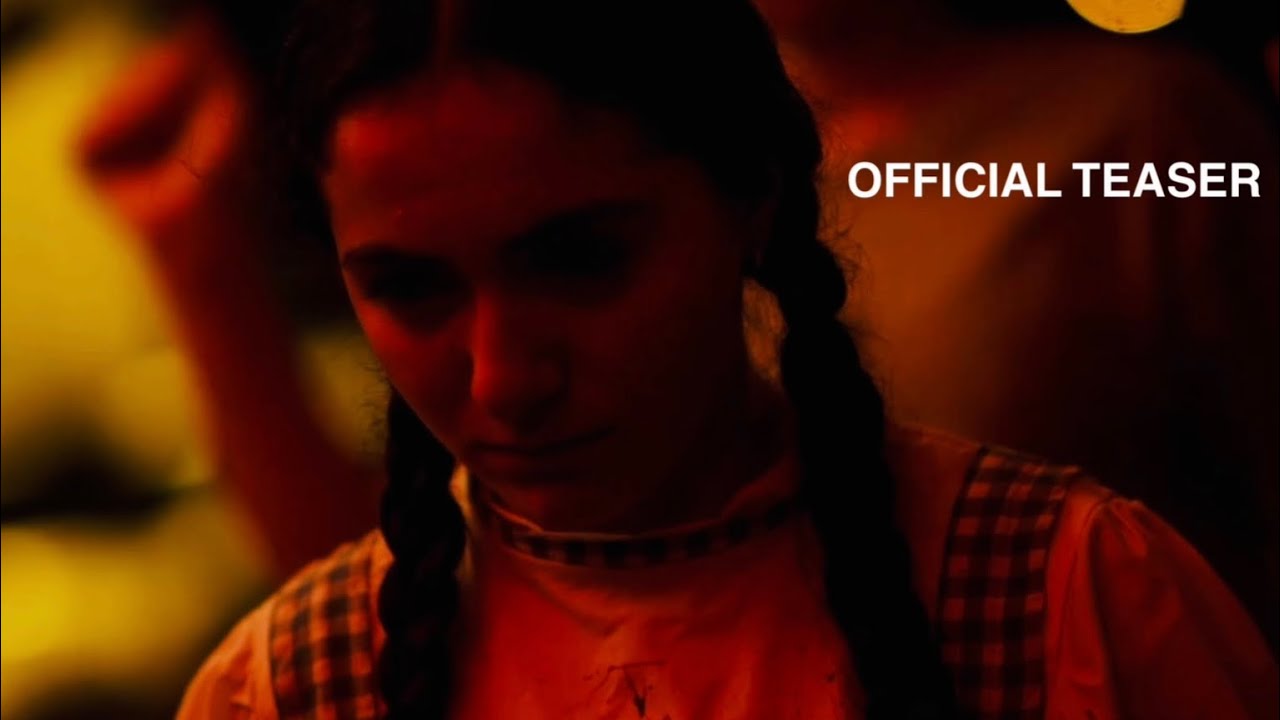
- 'Dorothy: The Haunting of Oz' Teaser Brings Wicked Witch Horror to Life
MoreHorrorMovies.com - The yellow brick road is taking a hard turn into nightmare territory. The first teaser for Dorothy: The Haunting of Oz has arrived, revealing a contemporary horror spin on L. Frank Baum’s The Wonderful Wizard of Oz that trades wonder for curses, trauma, and the Wicked Witch. Also, we're loving the teaser poster art! The indie feature is currently in post-production and is aiming for a fall 2026 premiere. Its first look teases a story where Oz is no longer a place of escape. It is something that breaks through. Watch the Teaser: The teaser reimagines Oz as a modern curse Dorothy: The Haunting of Oz begins on Halloween night, when a viral internet challenge unleashes Dorothy, the Wicked Witch, and other nightmarish figures on an unsuspecting California town. That gives the film a modern horror entry point. The curse spreads through a world shaped by phones, trends, and online dares, but the terror itself comes from something older and more mythic. The story follows a group of struggling college athletes as the line between myth and memory starts to collapse. At the center is one student who must face her trauma before it consumes everyone around her. Elijah J. Alvarez makes his feature debut The film marks the feature debut of writer-director Elijah J. Alvarez, who is 22 years old. Alvarez positions the project as horror built around identity, grief, and the monsters people carry with them. “Horror is a powerful way to explore not just defeating the monster, but learning how to live with it,” Alvarez says. “Dorothy: The Haunting of Oz is about grief-shaped identity, the ways evil enters through the fractures in our lives, and what happens when the thing haunting us is also the part of ourselves we refuse to face.” That quote gives the teaser’s darker Oz imagery a clear emotional focus. The film is not simply asking what would happen if the Wicked Witch became a slasher figure. It is asking what happens when a myth becomes a mirror. For a story rooted in The Wonderful Wizard of Oz, that is a fitting twist. Baum’s classic has always carried questions of fear, longing, courage, and the search for home. This version pushes those ideas into horror. The cast brings the nightmare to a college town The cast includes Adrienne Tabag, Caia Bonner, Jordan Sklansky, Aziah King, Andrew Wang, and Thomas Shan. The college-athlete angle gives the film a coming-of-age foundation. These characters are already under pressure before the supernatural threat arrives. Once the curse spreads, personal struggles and outside danger appear to feed into each other. The film also blends several genres. The project is described as mixing: Psychological thriller Supernatural slasher Coming-of-age drama Sci-fi worldbuilding A Gen Z horror take on myth and memory Alvarez also describes the film through the lens of his generation’s relationship with the internet and identity. “My generation is fractured by the internet and still trying to find ourselves while life keeps stripping pieces away,” Alvarez explains. “We document everything, we chase feeling, and still we can’t stop the darkness from encroaching.” Dorothy: The Haunting of Oz appears to use that digital-age fear to revive one of fantasy’s most famous worlds as a nightmare. The result could be a Gen Z horror film about what happens when old myths haunt new wounds. With the film aiming for fall 2026, the teaser is only the first step down this darker yellow brick road. The Wicked Witch is back, but this time, Oz looks far less magical and far more dangerous.
- More Horror News: 'Leviticus' Brings a Haunting Horror Romance
MoreHorrorMovies.com - NEON is bringing one of the year’s most talked-about genre discoveries home. Leviticus, the feature directorial debut from Adrian Chiarella, will arrive on digital platforms to rent or own on July 28, 2026, followed by a Blu-ray/4K Ultra HD Combo and DVD release on September 8, 2026. The announcement came Friday, July 24, from New York, with NEON positioning the film’s home entertainment release as a major moment for horror fans who missed its festival run, or who want to revisit its unsettling blend of dread, desire, and coming-of-age romance. The film premiered in the Midnight section of the Sundance Film Festival, a section known for launching bold genre titles and boundary-pushing midnight movies. After that premiere, Leviticus gained attention as a breakout horror romance, with critics describing it as “a bone-chilling horror romance” and “staggeringly beautiful.” The release dates are now set The home release begins with digital availability, giving viewers the first chance to watch Leviticus outside of theaters and festival screenings. The physical editions will follow several weeks later for collectors and fans who want bonus features on disc. Release format Date Availability Digital rental and purchase July 28, 2026 Digital platforms Blu-ray/4K Ultra HD Combo September 8, 2026 Physical release DVD September 8, 2026 Physical release The July digital release is the fastest route for audiences ready to experience the story at home. The September disc release is aimed at viewers who want the film with added material, including commentary, interviews, and behind-the-scenes access. A coming-of-age story with a terrifying romantic hook At the center of Leviticus are two teenage boys, played by Joe Bird and Stacy Clausen, who are forced to flee a violent supernatural entity. The threat takes the form of the person they desire most, which, for each of them, means the other. That premise gives the film its sharp emotional pull. The danger is not distant or anonymous. It wears the face of longing. The result is a horror story built around intimacy, fear, and self-discovery, where attraction becomes both a refuge and a threat. Joe Bird, known for Talk to Me, joins Stacy Clausen in what NEON describes as standout performances. Their characters’ flight from the entity shapes the film’s horror, but the relationship between them gives the story its core. The monster’s form turns their feelings into something visible, dangerous, and impossible to ignore. That is also what separates Leviticus from a more familiar chase film. The fear does not come only from being hunted. It comes from what the pursuit reveals. Adrian Chiarella makes his feature debut Leviticus marks the feature directorial debut of Adrian Chiarella, who also takes part in the home release through a feature commentary and interview material. A debut feature gaining attention out of Sundance’s Midnight section can carry a particular kind of pressure. Genre audiences often look to that program for films with strong visual identity, fresh concepts, and enough emotional weight to last beyond the initial shock. Based on NEON’s announcement, Leviticus arrives with that kind of profile. The film’s description points to a director interested in more than fright mechanics. The story uses the language of horror to explore adolescence, queer desire, vulnerability, and the fear of being seen. That mix has become a rich space for modern genre filmmaking, where monsters often reveal what characters are struggling to say out loud. Sundance helped build the buzz The Sundance Midnight premiere gave Leviticus an early platform with audiences primed for strange, intense, and emotionally charged films. The section has long been a home for horror, thrillers, and genre hybrids that do not fit neatly into a single category. For Leviticus, that setting appears to have helped define the film as both a horror title and a romance. NEON’s release frames it as a “haunting coming-of-age horror romance,” a label that suggests viewers should expect emotion and atmosphere alongside fear. The critical response highlighted in the announcement also points in that direction. Calling the film “bone-chilling” places it firmly in horror territory. Calling it “staggeringly beautiful” suggests the film’s impact may come as much from mood, performance, and imagery as from scares. The physical release includes bonus features The September 8 disc editions will include a set of extras designed for viewers who want more context on the making of the film. The home entertainment release includes: Feature commentary with Adrian Chiarella A full-length track from the director, offering insight into the film’s choices, themes, and production. Interviews with Adrian Chiarella, Stacy Clausen, and Joe Bird Conversations with the director and lead actors about the story, performances, and process. Exclusive behind-the-scenes featurette A closer look at how the film came together. Official trailer The film’s trailer included as part of the release package. For a movie built on atmosphere and performance, the commentary and interviews may be especially useful. They can help viewers understand how Chiarella and the cast shaped a story where desire and terror are intertwined so closely. NEON’s announcement gives Leviticus a firm path from festival favorite to home viewing. The film arrives digitally on July 28, 2026, with Blu-ray/4K Ultra HD Combo and DVD editions set for September 8, 2026. For anyone drawn to horror that cuts close to the heart, Leviticus brings its haunted love story home soon. Its central idea is simple and cruel: what if the thing chasing you wore the face of the person you wanted most?
- More Horror News: 'The Devils Mouth' Coming to Prime Video
MoreHorrorMovies.com - A tropical getaway turns into a nightmare in The Devil’s Mouth, a new survival thriller coming to Prime Video globally this Wednesday, July 29. The film follows five friends on what starts as a carefree post-college trip along Thailand’s coastline. Sun, caves, and open water give the story a strong adventure setup. Then the mood shifts fast. The group becomes trapped inside a deadly freshwater cave system, turning the trip into a fight to stay alive. Equal parts adventure story, mystery, and shark thriller, The Devil’s Mouth aims to bring a different setting and emotional focus to a familiar genre. The new clips highlight both sides of the movie: the immediate danger of a shark attack and the quieter tension between friends who are no longer sure they want the same future. The Prime Video release brings the thriller to a global audience The film arrives on Prime Video globally on Wednesday, July 29, giving survival thriller fans a new streaming release built around claustrophobic danger, natural beauty, and a creature threat in an unexpected place. Shark movies often lean on open ocean fear. The Devil’s Mouth changes that by moving the danger into a freshwater cave system. That setting creates a different kind of pressure. The threat is not only what is in the water, but also the cave itself. The characters must deal with: Limited space Darkness and disorientation Rising panic Physical exhaustion Old tensions within the group A predator they cannot easily escape The story turns a post-college escape into a survival test The setup is simple and effective. Five friends set out for a trip through Thailand’s stunning coastal caves after college. It should be the kind of adventure that marks the start of adult life, full of freedom and possibility. Instead, the cave becomes a trap. That contrast gives the movie its hook. The audience goes in expecting beauty, risk, and travel energy, then watches the same setting turn hostile. Clear water, stone walls, and hidden passages become part of the threat. The film’s survival angle also gives the characters little room to hide. In a wide-open setting, people can separate, run, or call for help. Inside a cave system, each choice can make things worse. A wrong turn, a rising current, or a moment of panic can change everything. Charlie and Kate give the film its emotional anchor At the center of the story is the relationship between Charlie, played by Kathryn Newton, and Kate, played by Lana Condor. Their friendship gives the film its emotional core. According to the release details, Charlie and Kate are longtime friends facing tension over changing life plans. That is a smart choice for a survival thriller. When characters already carry unresolved conflict, danger does not erase it. It sharpens it. A near-death scenario can make small problems seem pointless, but it can also force people to say what they have avoided. In The Devil’s Mouth, Charlie and Kate’s bond seems to carry that weight. Their friendship has history, but the future looks less certain. Watch the new film clips Along with the release push, new clips from the film offer a closer look at its tone. Each clip points to a different part of the movie’s survival formula: sudden danger, preparation, and the eerie physical evidence of the predator. Shark Attack The “Shark Attack” clip highlights the film’s most direct threat. It shows how quickly the adventure can turn into chaos once the shark enters the picture. Always Be Prepared The “Always Be Prepared” clip leans into the survival side of the story. In a cave thriller, preparation can be the difference between staying calm and making a deadly mistake. Shark Tooth The “Shark Tooth” clip suggests a more mysterious side to the danger. A tooth can be a warning sign, a clue, or a reminder that the characters are entering a space where they are not in control. The Thailand cave setting gives the shark thriller a new shape The coastal cave setting may be the film’s biggest advantage. Thailand’s caves give the story a rich visual identity, with rocky passages, water-filled chambers, and narrow routes that can shift from breathtaking to terrifying in seconds. A cave also changes how a shark thriller works. In open water, the fear often comes from distance. The ocean is too large, and the shark can appear from anywhere. In a cave, the fear comes from closeness. The walls press in. The exits are limited. Sound travels strangely. Light becomes precious. Why this release may stand out for shark movie fans The shark movie genre has been revisited many times, from high-seas thrillers to beach survival stories. The Devil’s Mouth stands out because it combines the predator threat with a trapped-location structure. That gives the film a few built-in strengths: A confined setting that raises tension A group dynamic that can fracture under pressure A friendship story with real emotional stakes A visual backdrop that feels distinct from typical shark thrillers A mystery element tied to the cave system The result looks like a survival thriller built for viewers who want more than jump scares. The clips suggest danger, but the character details suggest the film also wants to explore what fear does to friendship.
- Do You Really Know Your Neighbor? Inside the Viral Sci-Fi Horror of 'The Bad Ones'
By Seth Metoyer, MoreHorrorMovies.com - Independent filmmakers hear the same advice again and again: submit the film to festivals, contact distributors, approach streaming platforms, and wait for somebody with institutional power to open the gate. Often, unfortunately, that gate stays closed. Over the years, I have encouraged several filmmaker friends to consider another route. When traditional distribution fails to materialize, put the movie on YouTube. Let people see it. Give the work a life beyond private screening links, festival submissions, and a hard drive collecting digital dust. A finished film deserves to be seen. It sucks when a completed project goes unnoticed, especially if you’re a producer, or worse, after spending two years composing its score that might never be heard, as I have. Ouuuch. YouTube gives independent filmmakers a place to release their work directly, build a following, and create a public demonstrati0n of what they can accomplish. A short film can operate as entertainment, a calling card, a proof of concept, and a miniature feature presentation all at once. In some cases, that visibility has launched filmmakers directly into Hollywood. David F. Sandberg created the original Lights Out short with actress Lotta Losten and released it online after entering it in a horror filmmaking competition. The stripped-down film turned darkness, a hallway, and a light switch into three minutes of concentrated nightmare fuel. Its viral success led to Sandberg directing the feature-length version produced by James Wan. Sandberg went on to direct Annabelle: Creation. Fede Álvarez experienced an even faster version of that story. His effects-driven short Panic Attack! depicted giant machines demolishing Montevideo, Uruguay. After he uploaded the film to YouTube in 2009, Hollywood studios and agencies began contacting him within days. Álvarez eventually directed the 2013 Evil Dead, followed by Don’t Breathe and Alien: Romulus. The list goes on. Each story offers the same lesson: filmmakers can use the screen already available to them. That brings us to The Bad Ones. The independent sci-fi horror web series is currently experiencing the kind of organic breakout filmmakers dream about. During the last 28 days alone, the channel generated 2.6 million views. It has also built an audience of more than 302,000 subscribers and accumulated 21.7 million lifetime views, with no paid promotion behind the surge. Four episodes of the planned nine-episode season are currently available free and on demand through YouTube. Episode Five has already been filmed and premieres July 30, 2026. The project’s growing audience has also begun supporting an official branded merchandise line. In an entertainment industry obsessed with algorithms, advertising budgets, and platform placement, The Bad Ones offers a compelling reminder that viewers can still gather around an independent story through genuine discovery and word of mouth. Something Is Hiding in the San Fernando Valley Directed by Hollywood veteran Dempsey Tillman, The Bad Ones is described by its creators as an independent science-fiction horror series “inspired by a true story.” According to the series’ official description, it draws from accounts of UAP phenomena, alien encounters, abductions, and the possibility of a hidden non-human society living among us. Its story follows one man’s desperate attempt to protect his family from an alien presence operating beneath the surface of ordinary life in the San Fernando Valley. The channel presents its central question with sinister simplicity: Do you really know who your neighbor is? I'm a longtime fan of The X-Files, especially the episodes that drag extraterrestrial terror out of the distant cosmos and deposit it in ordinary American spaces. A quiet street. A suburban home. A dark stretch of highway. A bedroom where somebody wakes at the wrong hour and sees a shape that should never have entered the room. Alien horror reaches its strongest form through intimacy. The threat crosses the threshold. It studies the family, learns the neighborhood, while the sky becomes secondary once the terror stands inside the house. That atmosphere pulled me into Episode One of The Bad Ones almost immediately. The Nightmare Begins The Premiere was on October 21, 2025, and Episode One introduced a man fighting to protect his family as the reality of an alien presence becomes impossible to dismiss. The episode runs a little over thirteen minutes, which gives it enough space to establish a story while preserving the velocity of a short film. It wastes very little time. The nightmare arrives quickly, the family stakes become clear, and the episode begins building a larger mythology around abduction, survival, and a concealed society operating beneath everyday life. The premise carries traces of classic alien-conspiracy storytelling, though The Bad Ones brings that paranoia into a contemporary independent production model. The series uses traditional acting, digital effects, careful editing, and calculated bursts of spectacle to create a world that feels larger than its physical resources. Modern digital technology can place extrodenary things inside the frame. Human performance gives those things additional strength. Fear becomes convincing when an actor responds to the impossible as though their family, sanity, and immediate survival hang in the balance. Episode One approaches the effects through emotional crisis rather than replacing it. The result feels like a recovered fragment from a much larger alien invasion story; one family’s experience inside a secret war that may have already begun. Small Budget Doesn't Mean Lack of Ambition Independent productions have always turned limitations into aesthetic decisions. Horror practically built its world on that principle. A filmmaker may lack a studio backlot, a massive crew, or a fleet of expensive physical creatures. They still understand framing, sound, editing, performance, darkness, implication, and timing. Digital tools now extend that arsenal, allowing filmmakers to visualize ideas that once required major studio resources. The Bad Ones demonstrates what can happen when filmmakers combine those tools with a direct storytelling objective. The first episode establishes danger, introduces its central conflict, delivers an extraterrestrial encounter, and leaves the viewer facing a larger mystery. It operates as one chapter while carrying the shape of a complete short-form experience. A creator looks at the available res0urces, calculates what the story needs, and finds a path through the wreckage. In the case of The Bad Ones, the audience has arrived in enormous numbers. Millions Are Already Watching At the time of writing, Episode One had accumulated more than 5.1 million views, while Episode Two had climbed toward 8 million. The larger channel numbers reveal an even more dramatic trajectory. As of this publication, The Bad Ones has grown to over 302,000 subscribers and racked up more than 21.7 million lifetime views. According to the filmmakers, that growth happened without paid promotion. Those numbers transform The Bad Ones from an intriguing independent production into a striking case study in direct-to-audience filmmaking. The creators placed their work where viewers could find it, and the audience responded at a scale that many conventionally distributed independent films never reach. The channel’s success demonstrates what can happen when a project finds the right combination of concept, craft, timing, and audience curiosity. No theatrical rollout placed the series in front of viewers, and no expensive advertising campaign manufactured the momentum. People found the episodes, watched them, shared them, and returned for more. The screen was open and the filmmakers used it. Showing the Creature and the Wires The official The Bad Ones YouTube channel expands beyond the narrative. It takes a real behind-the-scenes look at what it’s really like working on an indie sci-fi horror set, sharing a raw and honest day in the life of indie filmmaking, showing you exactly how we shoot sci-fi horror when you have almost no crew, a tiny budget, and no fancy equipment. Independent filmmaking can appear mystical from the outside, especially when viewers see visual effects, elaborate environments, or supernatural creatures. Production breakdowns strip away that mystery and replace it with process: planning shots, constructing sequences, developing storyboards, combining performances with effects, and solving problems with the tools at hand. The Screen Is Open I clicked on Episode One because I enjoy alien horror. I'll be continuing because the series realizes the particular fear that made The X-Files so compelling: the universe contains mysteries, and some of them may already know where we live. The Bad Ones is available free and on demand through YouTube. Four episodes of the planned nine-episode season are currently streaming, with Episode Five scheduled to premiere July 30, 2026. The channel also features behind-the-scenes videos, VFX breakdowns, production material, independent filmmaking advice, and links to the official merchandise line. Follow the The Bad Ones Official Handles for Updates • YouTube Channel: / @thebadones_series • X (Twitter): https://x.com/TillmanDem5483 • Facebook: / dempsey.tillman • Reddit Community: / wrong_extension8132
- Fourth Annual Queer Screams Unveils 2026 Festival Lineup and VIP Guests
MoreHorrorMovies.com - Queer Screams will return to Portland, Oregon, from August 14-16, 2026, bringing its fourth annual celebration of LGBTQ+ genre cinema back to the Clinton Street Theater. The festival announced two major guests for its 2026 edition: writer, producer, and director Bryan Fuller, who will receive the 2026 Queer Screams Career Achievement Award, and actor Nancy Allen, who will appear for a 50th anniversary screening of Carrie. Queer Screams is dedicated to LGBTQ+ genre cinema from emerging and established queer artists, with a focus that reaches across local, national, and international film communities. Its programming centers horror, science fiction, fantasy, thriller, and other genre work made by and for queer audiences. Queer Screams returns to the Clinton Street Theater The 2026 festival will take place at the Clinton Street Theater, a long-running Portland venue known for cult, independent, and community-centered cinema. The three-day festival will run Friday through Sunday, giving audiences a full weekend of screenings, special events, and guest appearances. Festival detail Confirmed information Event Fourth Annual Queer Screams Dates August 14-16, 2026 Venue Clinton Street Theater Location Portland, Oregon Focus LGBTQ+ genre cinema Featured guests Bryan Fuller and Nancy Allen Queer Screams frames genre film as a place where queer experience, outsider identity, fear, survival, and imagination meet. The 2026 announcement continues that focus with guests whose work connects strongly to horror, cult cinema, television, and queer cultural conversation. Bryan Fuller will receive the Queer Screams Career Achievement Award Bryan Fuller will be honored with the 2026 Queer Screams Career Achievement Award, which recognizes significant contributions to queer horror cinema and culture. Fuller is best known as the creator and creative force behind series including Hannibal, Pushing Daisies, and Dead Like Me. He has also worked in the Star Trek universe, including Star Trek: Discovery. Across television, Fuller’s work often blends beauty, death, longing, humor, and the strange ways people build chosen families under impossible conditions. Queer Screams will also host a special screening of Dust Bunny, Fuller’s feature directorial debut. The screening adds a new-film spotlight to the award presentation, allowing the festival to honor Fuller’s past work while presenting his latest step as a filmmaker. Fuller’s statement for the festival placed queer horror within a long tradition of outsider art and Gothic storytelling. “From Oscar Wilde to Bram Stoker to Mary Shelley to Clive Barker, there is a long illustrious history of Queer storytellers using their experience as outsiders to tell the tales that frighten us. I am so honored to be included in this year’s Queer Screams, celebrating the aliens and the alienated in a community diverse in its solidarity.” Bryan Fuller The quote points to a key idea behind the festival: horror has often given queer artists a language for isolation, transformation, desire, monstrosity, danger, and defiance. Fuller’s inclusion in the 2026 lineup connects the festival to that larger history while honoring a creator whose work has built a devoted queer following. Nancy Allen will present a 50th anniversary screening of Carrie Queer Screams also announced that Nancy Allen will attend the 2026 festival for a 50th anniversary screening of Carrie. Released in 1976, Carrie remains one of the defining American horror films of the 1970s. Directed by Brian De Palma and adapted from Stephen King’s novel, the film follows a bullied teenager whose telekinetic powers erupt after years of cruelty and repression. Allen played Chris Hargensen, one of the film’s most memorable antagonists. The anniversary screening gives Queer Screams a chance to revisit a classic film that has long resonated with queer audiences. Carrie is not an explicitly queer film, but its themes of shame, social punishment, religious control, isolation, and public humiliation have made it especially meaningful in queer horror discussions. Allen shared her excitement about marking the film’s anniversary with the festival community. “I'm thrilled to celebrate the 50th anniversary of Carrie with the passionate, welcoming, and wonderfully devoted queer community at Queer Screams. Queer Screams is exactly what film festivals should be: fearless, welcoming, and bursting with passion. I’m thrilled to be here. Maybe this time, I'll finally get to go to the prom!” Nancy Allen A 70s Queer Prom will precede Carrie Before the Carrie screening, Queer Screams will host a live, in-person 70s Queer Prom. The event will invite promgoers to dance to a DJ spinning vinyl and mark the night with a photo booth. The prom theme draws a direct line to Carrie, where prom becomes the setting for one of horror cinema’s most famous and devastating scenes. At Queer Screams, that image gets reframed as a community event built around celebration, music, and queer joy. A portion of the proceeds from the event will benefit WeSPARK Cancer Support Center, a nonprofit organization that provides support services for people affected by cancer. The prom adds a participatory event to the festival schedule, giving attendees more than a screening. It turns a horror milestone into a shared night out, one that nods to the film’s legacy while making room for people who may not have had a safe or welcoming prom experience the first time around. Queer horror remains at the center of the festival The 2026 guest announcements reflect the festival’s broader mission. Queer Screams is not simply placing LGBTQ+ audiences in front of horror films. It is centering queer artists, queer readings, queer fandom, and queer community within genre cinema. That matters because genre stories have long used monsters, ghosts, aliens, doubles, witches, vampires, and final girls to explore what society fears or rejects. For queer viewers and creators, those images can carry an added charge. They can speak to being watched, misread, punished, hidden, transformed, or finally seen. By honoring Bryan Fuller and welcoming Nancy Allen, Queer Screams 2026 brings together contemporary queer genre television, new filmmaking, and a cornerstone of 1970s horror cinema. The result is a festival announcement built around both legacy and participation. The fourth annual Queer Screams is set for August 14-16, 2026, at the Clinton Street Theater in Portland. With Fuller, Dust Bunny, Allen, Carrie, and a 70s Queer Prom already confirmed, the festival is shaping its next edition around queer horror history, community memory, and the enduring thrill of gathering in the dark. Get more information at https://queerscreams.com
- The Dollmaker (2025) Set to Release in North America
MoreHorrorMovies.com - The horror genre often thrives on unsettling atmospheres and chilling narratives that linger long after the credits roll. José María Cicala’s newest film, The Dollmaker, promises to deliver just that. Set to release in North America on August 25, 2025, this Argentine horror-thriller blends eerie storytelling with a surreal, bloody edge that horror fans will find hard to forget. A Glimpse into the Story The Dollmaker unfolds in a quiet village where life seems simple and uneventful. The story centers on a young man who appears charming and harmless. He spends his days caring for his mother, working at a local video store, and collecting dolls. But beneath this calm exterior lies a darker truth. As women begin to disappear mysteriously, Inspector Porter arrives to investigate. His suspicions quickly fall on the Dollmaker, setting the stage for a tense and unsettling mystery. Behind the Scenes: Crafting the Horror José María Cicala not only directed The Dollmaker but also co-wrote the screenplay with Griselda Sanchez. The production was led by Abril Cicala under Shock House Films, ensuring a cohesive vision from script to screen. The film’s cinematography by Martin Nico captures the eerie village setting with a haunting beauty, while Cecilia Calarota’s editing maintains a tight pace that balances suspense and revelation. Music plays a crucial role in horror, and Nahuel Maeso’s score adds to the unsettling mood, weaving through scenes with a mix of subtle dread and sudden jolts. The cast, led by Rodrigo Noya, brings depth to the characters, especially Noya, whose performance earned him the Best Actor award at the US premiere during Screamfest in Los Angeles. What Sets The Dollmaker Apart The Dollmaker combines psychological horror with surreal elements, creating a story that is both creepy and thought-provoking. The film’s setting in a quiet village adds to the tension, as the contrast between peaceful life and dark secrets becomes more pronounced. The character of the Dollmaker himself is intriguing. His obsession with dolls is not just a quirky trait but a window into his disturbed mind. This focus on character development makes the horror feel more personal and intense. For fans of horror looking for something fresh, The Dollmaker offers: A unique blend of horror and thriller elements Strong performances, especially from Rodrigo Noya A haunting atmosphere that builds slowly but surely A story that mixes the surreal with the macabre Recognition from genre festivals like Screamfest The film’s 97-minute runtime makes it a compact but powerful experience, perfect for those who appreciate horror that lingers in the mind. The Dollmaker arrives as a compelling addition to the horror genre in 2025. With its chilling story, strong performances, and atmospheric direction, it promises to engage and unsettle viewers. Horror fans eager for a film that combines mystery, suspense, and surreal horror will find much to appreciate here. Mark your calendars for August 25 to catch The Dollmaker on VOD and digital platforms. Prepare for a haunting journey into a world where innocence and darkness collide in unexpected ways.