Search Results
Search this site
137 results found with an empty search
- 'Killer Klowns from Outer Space' 4K UHD Steelbook Review
MoreHorrorMovies.com, "Killer Klowns from Outer Space" is a whimsical yet darkly comedic romp through the absurdity of alien invasion, brought to life in vivid detail with its 4K UHD debut marking its 35th anniversary, and released on May 14th, 2024 . Directed by the Chiodo Brothers, this cult classic transcends the typical horror genre, blending elements of sci-fi, comedy, and outright lunacy into a visually striking spectacle. From the moment the circus tent-shaped spaceship touches down in a quiet town, audiences are whisked away on a wild ride filled with deviant clowns wielding balloon animals and cotton candy cocoons as tools of destruction. What ensues is a battle of wits and absurdity as the town's teen inhabitants take on the otherworldly invaders. The Chiodo Brothers' attention to detail is evident throughout, with every scene brimming with imaginative set pieces and inventive practical effects. The newly remastered 4K scan of the original camera negative only serves to enhance the film's vibrant color palette and intricate creature designs, allowing viewers to fully appreciate the artistry behind the chaos. In addition to the stellar visual presentation, the bonus features included in both the two-disc set and Limited Edition Steelbook offer fans an in-depth look behind the scenes. From insightful commentary by the Chiodo Brothers themselves to featurettes exploring the making of the film and the evolution of its iconic klown characters, there's something for every aficionado of cinematic oddities. "Killer Klowns from Outer Space" is more than just a horror film; it's a testament to the enduring appeal of campy entertainment and the boundless creativity of its creators. As the truth about clowns is finally revealed, audiences old and new can delight in this timeless cult favorite, now available in stunning 4K resolution.
- Movie Review: "Carrie" (1976) vs. "Carrie" (2013)
Scream Factory released Carrie (2013) Collector’s Edition this March 2024, for the first time on 4K UHD. Pick up your copy here. "Carrie," the timeless tale of teenage angst and telekinetic abilities, has seen two major film adaptations, one in 1976 directed by Brian De Palma and another in 2013 helmed by Kimberly Peirce. Both films dive into the unsettling narrative crafted by Stephen King, but each brings its own flavor to the table. Let's take a peek at how these two iterations compare and contrast. Both films follow the story of Carrie White, a shy and bullied high school girl with telekinetic powers, who unleashes her wrath upon her tormentors during prom night. While the core plot remains intact in both versions, there are notable differences in the execution and emphasis on certain story elements. De Palma's 1976 adaptation stays quite faithful to King's novel in terms of narrative structure and character development. Sissy Spacek delivers an unforgettable performance as Carrie, capturing the character's vulnerability and eventual descent into chaos with remarkable depth. The film's iconic prom scene remains one of horror cinema's most chilling moments, with De Palma's signature visual style adding an extra layer of suspense and dread. Peirce's 2013 adaptation takes a slightly different approach, offering a more contemporary spin on the classic tale. Chloe Grace Moretz delivers a powerful performance as Carrie, imbuing the character with a raw intensity that resonates with modern audiences. The film also explores Carrie's relationship with her fanatically religious mother, played convincingly by Julianne Moore, adding a new dimension to the narrative. One significant difference between the two films is the portrayal of Carrie's powers. De Palma's version leans more towards the supernatural, emphasizing the mystical aspects of Carrie's abilities. In contrast, Peirce's adaptation takes a more grounded approach, focusing on the psychological and emotional turmoil that accompanies Carrie's powers. Another notable difference is the treatment of certain characters and subplots. The 2013 version delves deeper into the lives of supporting characters such as Sue Snell, played by Gabriella Wilde, and Chris Hargensen, portrayed by Portia Doubleday, providing additional context and depth to their motivations and actions. Both films deviate from King's novel in various ways, though they still capture the essence of the source material. Certain subplots are condensed or altered to fit the constraints of the medium, but the core themes of isolation, revenge, and the consequences of abuse remain central to both adaptations. Scream Factory released the "Carrie" (2013) Collector’s Edition this March for the first time on 4K UHD, offering fans a chance to experience Peirce's vision in stunning high definition. Ultimately, the 1976 and 2013 versions of "Carrie" offer compelling interpretations of Stephen King's chilling tale. Whether you're a fan of the original film, the book, or enjoy a good horror flick, both versions of "Carrie" are worth a watch for their unique contributions to the genre. The 2013 Collector's Edition Release also includes a variety of bonus features, including a new interview with author and screenwriter Joseph Maddrey, a new interview with production designer Carol Spier, audio commentary with director Kimberly Peirce, behind-the-scenes featurettes, deleted scenes, and more! Carrie (2013) Collector’s Edition Bonus Features NEW 4K Scan from the original camera negative NEW “The Devil’s Hand: Designing Carrie” – interview with production designer Carol Spier NEW “They’re All Going to Laugh at You: Adapting Carrie” – Interview with author Joseph Maddrey Audio Commentary with director Kimberly Peirce Alternate Ending Deleted/Alternate Scenes “Creating Carrie” Featurette “The Power Of Telekinesis” Featurette “Tina On Fire” Stunt Double Dailies “Telekinetic Coffee Shop Surprise” Theatrical Trailer Pick up your copy of Carrie (2013) Collector's Edition, here.
- Possession in Prime Time: A Review of Late Night with The Devil (2024)
Reviewed by Seth Metoyer, MoreHorrorMovies.com, Social Media: @morehorror, In a year full of horror gems, Late Night with The Devil stands out as my favorite of 2024 (that I've seen so far). Combining a rich script with exceptional performances, it accomplishes what few indie horror films manage—great dialogue that's elevated by an impressive cast. The Cairnes brothers, as directors, create a captivating single-location horror film that never loses steam, a true feat considering the entire film is set within a 70s TV studio. The plot is centered around Jack Delroy’s late-night talk show, Night Owls, on Halloween night in the 1970s. Desperate for ratings after personal tragedy, Delroy (played with brilliance by David Dastmalchian) invites a bizarre array of guests for a live special, including a parapsychologist, a skeptic magician, and a survivor of a mass cult suicide. As the night progresses, what begins as an unconventional talk show devolves into sheer chaos, leaving viewers questioning what is real and what is supernatural. The genius of this film lies in how it toys with the audience, mixing possession horror with the unpredictability of live television. David Dastmalchian absolutely excels as Jack Delroy, the smooth-talking host whose veneer of control crumbles as the supernatural events unravel. He brings humor, depth, and at times, a haunting sense of dread to the role. You feel his torment as the night spirals out of control, and his performance makes the film’s climax hit that much harder. Ian Bliss also shines as Carmichael Haig, the pompous skeptic who you love to hate. His smugness and arrogance are deliciously irritating, making his eventual comeuppance deeply satisfying. On the lighter side, Fayssal Bazzi’s portrayal of Christou, the eccentric psychic, brings a quirky energy to the film. He’s almost unintentionally funny, a perfect foil to the mounting tension. Ingrid Torelli as Lilly D’Abo is simply outstanding. Her transformation throughout the film is chilling, and the direct eye contact she makes with the camera adds an unsettling layer, making viewers feel complicit in the unfolding terror. Her performance adds a lot to the movie’s creeping dread, and she's a true highlight. However, Laura Gordon’s portrayal of parapsychologist June Ross fell a bit flat for me. It wasn’t a dealbreaker, but her performance lacked the depth and intensity of the rest of the cast. Visually, Late Night with The Devil nails the 70s aesthetic with its grainy look, warm color palette, and impeccable set design, reminiscent of vintage late-night TV shows. The Cairnes brothers’ attention to detail really shines here, and despite the film’s single-location setup, they manage to keep it engaging from start to finish. The mix of practical effects and CGI is another win. While some purists might grumble about the digital effects, I thought they were used wisely, particularly in the film's climactic moments, where they helped elevate the tension. Shoutout to the visual effects team who crafted a finale that’s both terrifying and visually impressive. As someone who grew up in the 70s/80s and vividly remembers the “Satanic Panic” era, seeing that period referenced in the film felt like a wicked nod to the past. There’s even a sly connection to real-world secret societies like Bohemian Grove, subtly woven into the storyline. These little historical touches add a layer of authenticity and nostalgia that horror fans will appreciate. On repeated viewings, it’s been a blast spotting hidden “ghosts” scattered around the set—another fun nod to the haunted house genre. This film isn't just a one-time watch; it has the layers and intrigue to keep you coming back, making it a worthy addition to my annual Halloween viewing list. In the end, Late Night with The Devil isn’t just another found-footage horror flick; it’s a clever, tightly executed homage to both 70s TV and the horror genre itself. It’s a film that revels in its retro style while offering something fresh and sinister. Whether it’s the brilliant performances, the suspenseful atmosphere, or the demonic twist, this film will linger long after the final broadcast fades to black. Shop "Late Night with The Devil" - Night Owls T-shirt on our Official More Horror TeePublic.
- Review: 'In A Violent Nature' Carves Out a Unique Path
Movie Review: In A Violent Nature (2024) Reviewed by Seth Metoyer, MoreHorrorMovies.com, Written and directed by Chris Nash, In A Violent Nature takes us deep into the Ontario wilderness, where a mute killer, resurrected by a group of wayward teens, unleashes a reign of terror that plays out largely through his own dark, silent gaze. Starring Ry Barrett, Andrea Pavlovic, and Lauren-Marie Taylor, this slasher blends a chilling atmosphere, haunting sound design, and a unique perspective that takes viewers closer to the killer's mind than ever before. From the very start, the film drops viewers into a brooding, almost suffocating environment where every crack of a twig and gust of wind feels meticulously crafted to gnaw at your nerves. The cinematography brings the Ontario wilderness to life as more than just a backdrop—it becomes a character in its own right. The forest, with its sprawling, seemingly endless terrain, feels both isolating and claustrophobic, amplifying the dread of being hunted. Watching this play out on screen, I couldn't help but imagine how perfectly the setting would translate to my cabin in Montana, which has a similar vibe with its small-town gas station and forest service nearby. The visual parallels alone stirred inspiration, reminding me of the script my brother and I have finished and plan to film, though In A Violent Nature sets its bar with its relentless approach to the slasher genre. The eeriness of the killer's movement is one of the standout elements. His walking scenes are a masterclass in tension-building, with each step punctuated by unnerving sound design that gives us a raw glimpse into his relentless rage and single-minded dedication to his brutal mission. His stalking feels methodical, and unstoppable, with no music to break the tension—just the echo of his steps, his breath, and the eerie silence that surrounds him. Speaking of sound—or the lack thereof—one of the most striking choices in In A Violent Nature is its decision to forgo a musical score. As a film composer myself, having scored music for three feature horror films, I couldn’t help but wonder how much a sick, brooding score could have elevated the tension even further. Yet, at the same time, I found myself appreciating the film's restraint. The absence of music added to the film's unsettling nature, making the silence around the killer's movements feel all the more eerie. In a way, I’m torn—part of me longed for the atmospheric touch a score could have brought, while another part of me admired the boldness of leaving the soundtrack in nature’s hands. Now, let’s talk about the kills. In A Violent Nature does not hold back when it comes to gruesome violence, earning its place in the slasher hall of fame with some truly inventive, jaw-dropping deaths. One kill, in particular, earned the coveted 2024 Fangoria Chainsaw Award for "Best Kill," it’s no mystery why. Without spoiling too much, this death stands out not just for its brutality but for its creativity—it's the kind of moment that makes you gasp and cheer at the same time. And for the hardcore horror fans, there’s a clear nod to Jason Voorhees in both the sheer size and presence of the killer, as well as a couple of the film’s more savage kills. Overall, In A Violent Nature may not be groundbreaking, but it’s a solid, well-produced indie horror flick that delivers the goods. As someone who’s produced around 20 indie films, I know how difficult it can be to juggle production value with budget constraints, and Nash pulls off some impressive feats here. It’s a fun ride—packed with blood, tension, and just enough creative flair to keep it from blending into the crowd. Definitely worth a watch for any slasher fan. Just be ready for a few sleepless nights. In a Violent Nature (Official Trailer):
- Saw X (2023) Review | More Horror Movies
By Seth Metoyer, "Saw X" delves into the intriguing chapter of John Kramer's life between the events of "Saw" and "Saw II." As John Kramer (Tobin Bell) battles terminal cancer, he seeks out a radical treatment at a makeshift clinic run by Cecilia Pederson (Synnøve Macody Lund). The clinic offers advanced but non-FDA-approved procedures, promising hope to desperate patients through a drug cocktail and surgery. Accompanied by his loyal protégé Amanda Young (Shawnee Smith), John navigates the murky waters of hope and deceit. Other notable characters include Gabriela (Renata Vaca), Parker Sears (Steven Brand), Diego (Octavio Hinojosa), Mateo (Joshua Okamoto), and Valentina (Paulette Hernandez), who are all ensnared in Jigsaw's brutal tests, each connected to the fraudulent medical scheme orchestrated by Cecilia. "Saw X" offers an engaging glimpse into John Kramer's life, exploring his personal journey and desperation to fight cancer. This fresh perspective adds depth to his character, illustrating the duality of John as both a killer and a man capable of empathy toward those he deems morally good. The narrative effectively sets up a conflict within John, torn between his deadly games and a flicker of compassion. However, the film suffers from pacing issues, particularly in its first half. While the setup of the makeshift clinic is intriguing, with its advanced yet unapproved cancer treatments, the story unfolds slowly, testing the viewer's patience. Despite this, the depiction of John's vulnerability and his hope for a cure adds a compelling layer to the story. John's willingness to trust the clinic, despite apparent red flags, can be chalked up to his desperation. However, it strains credulity that someone as meticulous as John Kramer would not have done more thorough research on the clinic and its operators. This minor inconsistency can be overlooked, considering his urgent need for a solution to his illness. The traps in "Saw X" are as brutal and inventive as ever, maintaining the franchise's signature body horror. While the special effects are solid and the traps are well-executed, they do not break new ground. Fans of the series will find them familiar, though still effective in their execution. The film's major shortcoming lies in its final act. The resolution feels predictable and rushed, with the writers seemingly unsure of how to conclude the story. The arrival of Parker Sears immediately after Cecilia's phone call is a glaring plot convenience that undermines the narrative's tension. Additionally, the scene where John makes Parker promise to follow the "no guns rule" and store his weapon in a locker telegraphs the inevitable betrayal. It is clear to the audience, and to John, that Parker is in league with Cecilia, making the twist feel forced and unconvincing. Overall, "Saw X" is a decent addition to the franchise, offering a fresh angle on John's character and his battle with cancer. However, the film falters with slow pacing, a predictable final act, and insufficient character development. With a bit more refinement, particularly in the story's conclusion and character arcs, it could have been a standout entry in the series. Follow Seth @MoreHorror on social media. For inquiries or collaborations, email Seth at morehorrormovies@gmail[dot]com
- 'Apartment 7A' Review: A Return to the Haunting World of Rosemary's Baby
Reviewed by Seth Metoyer, MoreHorrorMovies.com, One of my favorite films of all time is Rosemary’s Baby, so when I heard that Apartment 7A (streaming now exclusively on Paramount+ and available to purchase on digital) was a prequel diving into the mysterious past of Terry Gionoffrio and the Castevets, I was immediately intrigued. Revisiting that unsettling world, exploring the lives of the enigmatic characters that existed before Rosemary, had the potential to offer fans more layers to the iconic story. While Apartment 7A, directed by Natalie Erika James from a screenplay she co-wrote with Christian White and Skylar James, delivers on atmosphere and some key performances, it falls short in other areas, ultimately leaving much to be desired. Impeccable Set Design Captures the Essence of the 1960s One of the true highlights of Apartment 7A is its impeccable set design, which does an excellent job of capturing the look and feel of the 1960s. From the furnishings to the fashion, every detail feels authentic, transporting viewers back to the era in which the events unfold. The attention to period-appropriate decor, from the wallpaper to the vintage kitchen appliances, adds to the film's immersion and successfully recreates the haunting atmosphere that made Rosemary’s Baby so memorable. This commitment to authenticity helps ground the story in its time, making the visual experience a standout even when other aspects of the film falter. Diane Wiest’s Chilling Minnie Castevet One of the shining stars of this film is Diane Wiest, who steps into the shoes of Minnie Castevet, bringing a fresh yet terrifying portrayal of the character. Her version of Minnie is, in many ways, even more sinister than Ruth Gordon’s iconic performance in Rosemary’s Baby. While Gordon’s Minnie had a strange, neighborly warmth that made her ultimate intentions so shocking, Wiest leans fully into the darkness. There’s an unsettling edge to her that perfectly captures the creeping dread of the Castevets, and she’s a joy to watch as she manipulates and schemes. A Decent, But Forgettable Roman While Diane Wiest’s Minnie shines, Roman, played by Kevin McNally, doesn’t quite reach the heights of his predecessor, Sidney Blackmer. There’s a certain gravitas that Blackmer brought to the role, a mix of charm and malevolence that made Roman so unforgettable. In Apartment 7A, McNally does a serviceable job, but it’s hard to escape the shadow of Blackmer’s performance. Roman feels somewhat diminished here, though the chemistry between him and Minnie still holds the screen. The Rest of the Cast Struggles to Stand Out Unfortunately, beyond Wiest, the rest of the cast fails to leave much of an impression. Much of the movie feels hollow. I thought that the portrayal of Terry Gionoffrio played by Julia Garner was decent, but after the movie went on, it felt disjointed. Maybe that was intentional, but, something felt out of place there. While the idea of exploring Terry’s background and her relationship with the Castevets was promising, the execution feels underdeveloped and unraveled too fast, leaving her storyline feeling more like a missed opportunity than a gripping narrative thread. The storyline behind the misogynistic play director, Alan Marchand, played by Jim Sturgess left much to be desired. The way the character was dispatched from life was abrupt and lackluster. It really felt like the writers didn't know what to do with the character. I think the story might have worked better as a limited series than a movie. There was a lot more that could have been done with the characters and story. A Dance Scene Homage to Suspiria There are moments in Apartment 7A that work as pure cinematic spectacle. One particular scene—an eerie, contorted dance sequence that serves as a nod to Dario Argento’s Suspiria—stood out as a visual highlight. The lighting, the twisted movements, the unsettling choreography—it's a clear homage to one of horror’s great films. It’s these small details that suggest the filmmakers had a deep love for the horror genre, even if the overall storytelling doesn’t always deliver. The Forced "Nun Scene" A particular low point in the film comes in a scene involving a nun, which felt forced and ultimately hollow. It was as if the filmmakers were attempting to squeeze in a significant amount of exposition and information into a single moment, but the result was flat and unnecessary. Instead of enhancing the plot, the scene disrupts the pacing and adds little value. This misstep contributes to the overall feeling that the film is trying to do too much without fully developing the most important aspects of its story. Satan’s Uninspired Visuals Miss the Mark One of the most iconic elements of Rosemary’s Baby was how the film handled the presentation of Satan, shrouding him in mystery and leaving much to the viewer's imagination. In Apartment 7A, however, the visuals of Satan are far less subtle—and far less effective. The designs felt uninspired, undermining the eerie and ambiguous atmosphere that made the original film so terrifying. Instead of the brief, disturbing glimpse we got in Rosemary’s Baby, Apartment 7A opts for a more overt presentation, which feels out of place and robs the scene of any real tension. Easter Eggs for the Fans Fans of Rosemary’s Baby will enjoy spotting the Easter eggs scattered throughout Apartment 7A. Whether it’s subtle callbacks to scenes from the original or references to the Bramford building's eerie history, these moments feel like winks to longtime devotees of the story. But beyond these nods, the film fails to truly expand on the mythology in a meaningful way. It’s as if it’s too preoccupied with paying tribute to its predecessor rather than fully carving out its own identity. A Disappointing Narrative Void Despite its connections to Rosemary’s Baby, Apartment 7A struggles to fill the void left by the original. The film’s exploration of Terry’s life and her interactions with the Castevets feels surface-level, and the movie often drifts, feeling more like a collection of scenes than a cohesive narrative. While fans like myself may appreciate revisiting this world, the film doesn’t pack the emotional or psychological punch that made Rosemary’s Baby such a horror masterpiece. Paramount Plus Promo Perks On a lighter note, Paramount Plus sent over some great promotional items tied to the release of Apartment 7A. The box included Spiritless Old Fashioneds with branded glasses, a Bramford Hotel Candle, and some treats that added to the immersive experience of revisiting the world of Rosemary’s Baby. The attention to detail in the promo items was a nice touch, capturing the essence of the film’s haunting atmosphere. I’ve included a few photos of the items in the review below. Final Thoughts Apartment 7A is a mixed bag. While it has some standout moments, particularly thanks to Diane Wiest’s chilling performance as Minnie Castevet, it often feels hollow and underdeveloped. The forced "nun scene" and the lackluster visuals of Satan detract from the film's potential, leaving viewers yearning for the understated dread of Rosemary’s Baby. Fans of the original may appreciate the Easter eggs and callbacks, but the film struggles to capture the same level of menace and tension that made its predecessor so unforgettable. For more horror reviews and news, you can follow me on social media at @morehorror or visit my website, MoreHorrorMovies.com. Stream or purchase Apartment 7A on Paramount Plus www.paramountplus.com.
- A Tense and Surprising Horror Thriller: Abigail (2024) Review
Reviewed by Seth Metoyer, MoreHorrorMovies.com, Social Media: @morehorror Sometimes, walking into a film blind can be the best way to experience a story, especially in the horror genre. Unfortunately, I wasn’t so lucky with Abigail. While the promotional materials make it clear that Abigail is no ordinary girl, I won’t spoil the specifics for those who might have avoided the trailers. Let’s just say the kidnappers quickly realize they’ve bitten off more than they can chew. Directed by the team behind Ready or Not and Scream (2022), Matt Bettinelli-Olpin and Tyler Gillett, Abigail starts with a classic crime thriller setup: a group of kidnappers, led by Joey (Melissa Barrera, Scream VI, Bed Rest), abducts a young girl from a powerful crime lord, demanding a $50 million ransom. The team, including Frank (Dan Stevens, The Guest), Sammy (Kathryn Newton, Freaky), Rickles (Will Catlett, Blacklight), Peter (Kevin Durand, The Strain), and Dean (Angus Cloud, Euphoria), has to hold her overnight in a secluded mansion, expecting the job to be a breeze. What they don’t know is that Abigail (Alisha Weir, Roald Dahl’s Matilda the Musical) is far from helpless. She's a centuries-old bloodsucker who’s been playing dead for a lot longer than her captors have been alive. Where Abigail shines is its blend of tension and gore. The film doesn’t wait long to show its cards, as one by one, the kidnappers find out they’re trapped inside with a girl who can tear them apart. Abigail, with her small frame and innocent appearance, uses her supernatural speed, strength, and bloodlust to take them down in brutal fashion. The kidnappers, now prey, have to find a way to survive until morning. Melissa Barrera delivers a strong performance as Joey, the reluctant leader trying to hold the crew together as things unravel fast. Dan Stevens is a standout as Frank, a crooked ex-cop who thought this would be his ticket to an easy life but finds himself in way over his head. Kathryn Newton’s Sammy brings some comic relief as the hacker whose thrill-seeking nature crumbles when faced with real danger, while Kevin Durand and Angus Cloud embody the muscle and madness of the group with chilling authenticity. The setting plays a crucial role, too. The mansion is the perfect mix of gothic horror and modern isolation, with plenty of dark corners and eerie rooms that heighten the film’s tension. You can almost feel the claustrophobia as the characters realize there’s no way out—and no one coming to save them. While the vampire twist may not be revolutionary, Abigail works because it leans into its strengths: high tension, great performances, and gory fun. Bettinelli-Olpin and Gillett craft a film that feels both familiar and fresh, with a narrative that mixes heist-thriller sensibilities with horror carnage. Abigail’s ancient vampire lore isn’t deeply explored, but her cold, calculated brutality more than makes up for any lack of backstory. By the time the credits roll, it’s clear: Abigail is a blood-soaked, nerve-wracking ride that delivers on its promise of carnage. Even if you know what’s coming, you won’t be able to look away. For horror fans looking for something that blends tension and terror with plenty of bite, Abigail is a must-watch.
- Knives Out and the Cult of Surface-Level Subversion
By Seth Metoyer, Let’s talk about cognitive dissonance for a second. That uncomfortable feeling when something doesn’t quite add up the way you expect it to. Before you roll your eyes, close the browser tab and dismiss this as another hot take, take a deep breath, set aside your knee-jerk reaction, and stick with me. This isn’t just some rant about a popular movie I didn’t vibe with—it’s an examination of why Knives Out (2019) just didn’t click for me despite ticking so many of my usual boxes. I wanted to like Knives Out. I really did. On paper, it had all the ingredients: a murder mystery draped in fog, a cast stacked with talent, and a director known for subverting expectations. But somewhere between the self-satisfied dialogue and the cloying, winking-at-the-camera energy, I found myself staring at the screen like a kid realizing that the "punk" band they loved is just another corporate product in rebellion cosplay. This film has fans, legions of them, most of whom reside within a very specific subset of the horror community—the same people who embrace their love of horror like it’s a lifestyle brand. You know the type: tattooed (hey, I’ve got tattoos too), aesthetically curated, wielding film knowledge like a status symbol, but rarely venturing beyond what’s considered trendy and socially acceptable. Horror’s resident hipster class. I should fit in with them—I have the long hair, a metal music background, and around a 70k-deep horror following (@morehorror) on Instagram—but somehow, despite orbiting the same spaces, I’ve never quite been invited into their club. And Knives Out is exactly the kind of film that makes me understand why. The Mystery of Knives Out’s Appeal Rian Johnson crafted Knives Out as a throwback to classic whodunits, a genre steeped in deception, red herrings, and characters who drip with intrigue. But instead of weaving a tangled web of psychological depth, he presents us with a morality play as subtle as a neon sign. The rich are bad. The immigrant protagonist is good. The detective—played by Daniel Craig with an accent so thick it feels like he’s parodying Foghorn Leghorn—is brilliant but delightfully quirky. It’s not that I need my mysteries to be grim, but there’s something about the way Knives Out carries itself that feels less like storytelling and more like an exercise in self-congratulation. The twists aren’t really twists; they’re reveals designed to make the audience feel clever for keeping up. There’s no sense of dread, no real tension. Just a lot of "Oh, aren’t we smart?" energy from start to finish. And this is where it starts to click: the people who worship this movie don’t actually want mystery or suspense. They want affirmation. Knives Out gives them that. It lets them feel like they’re in on the joke, like they’re part of an exclusive club of "movie lovers" who get it. But really, it’s just entertainment designed to reflect their existing worldview back at them. The Horror Community’s Love Affair with Knives Out So why does Knives Out resonate so deeply with a particular horror niche? The answer lies in aesthetic and tone. The majority of the modern horror hipster scene thrives on movies that validate their identity rather than challenge it. The same people who praise Knives Out as brilliant are the ones who carefully curate their film opinions based on social currency. They’ll evangelize Midsommar and Hereditary, but scoff at something truly transgressive unless it has been pre-approved by their peers. Now, don’t get me wrong—I actually enjoy A24 films. Midsommar and Hereditary are fantastic in their own right, but not because they fit a brand. I love them for their oppressive atmosphere, their chilling scores, and their ability to drown the viewer in psychological dread. Not because someone on Twitter declared them to be "elevated horror." I don’t need a film to pat me on the back for enjoying it. I need it to challenge me, to sit with me long after the credits roll, to rattle something deep inside. To them, Knives Out isn’t just a movie—it’s a badge of cultural relevance. It’s got the right kind of humor, the right kind of political messaging, the right kind of polish. It’s "clever," but never challenging. "Dark," but never actually uncomfortable. It lets them cosplay as film aficionados while keeping them safely in their comfort zones. And that’s fine. Not every movie needs to punch you in the gut. But when people start holding Knives Out up as a masterpiece, I have to wonder: are they in love with the film, or with the idea of being the kind of person who loves the film? The Whodunit That Solves Itself A real whodunit should leave you uneasy, guessing, peeling back layers you didn’t even realize were there. Knives Out doesn’t do that. It holds your hand, reassures you that you’re one of the good ones, and delivers its story with the same kind of calculated quirkiness that modern moviegoers eat up like viral TikTok trends. You want a murder mystery that plays with genre tropes but still delivers a real whodunit? Try Clue (1985). It’s over-the-top, campy, and fully aware of what it is—yet still manages to be a sharper mystery than Knives Out ever was. The humor is broad, the characters are caricatures, but it works because it understands the mechanics of a true whodunit. Ask a Knives Out fan if they’ve even heard of it. I’ll wait. What Knives Out Didn’t Give Me I walked into Knives Out hoping for something sharp and biting. Instead, I got a movie that feels like a high-budget episode of Scooby-Doo—if Scooby had a Twitter account and made sure to let you know how much he hates capitalism between every bite of his Scooby Snack. And let’s get one thing straight—I’m all for rebelling against the rich. I champion inclusion in films, support marginalized voices, and have no love for most aspects of capitalism. But I also don’t fit into easy boxes. I don’t need my films to spoon-feed me moral lessons in the most surface-level way possible. A slick whodunit should leave you uneasy, guessing, peeling back layers you didn’t even realize were there, like Zodiac (2007) or Night Moves (1975). Knives Out doesn’t do that. It holds your hand, reassures you that you’re one of the good ones, and delivers its story with the same kind of calculated quirkiness that modern moviegoers eat up like viral TikTok trends. Maybe that’s why it doesn’t work for me. I don’t need my movies to tell me I’m smart. I need them to challenge me, disturb me, make me see something I hadn’t before. I love horror because it forces us to confront the things we don’t want to—fear, death, our own fragility. Knives Out doesn’t challenge you. It gives you the illusion of depth, the feeling of solving a mystery without ever making you do the work. It’s theater with training wheels—safe, polished, and eager to tell you how clever you are for liking it. And that, more than anything, is why it will never work for me.
- Review: Smile 2 (2024) – A Sinister Grin Worth Showing Off
By Seth Metoyer, MoreHorror.com - Parker Finn’s Smile 2 isn’t just a sequel—it’s an unrelenting, nerve-shredding showcase of what makes modern horror great. Right off the bat, this film establishes itself as one of the best horror movies of the year, though not without its imperfections. But really, what horror film is perfect? Picking up the torch from its predecessor, Smile 2 delves deeper into the sinister curse that thrives on trauma, fear, and despair. Skye (Naomi Scott), a grieving artist battling her own inner demons, becomes the latest victim in the ever-widening ripple effect of this malevolent force. As she races to uncover its origin and break the cycle, the line between reality and nightmare blurs, culminating in a finale as grotesque as it is polarizing. Finn proves yet again that he’s a director to be reckoned with, delivering an opening scene that grabs you by the throat and doesn’t let go. Cold, brittle, and masterfully shot, the opening sets the tone for the dread-soaked experience to follow. The eerie score—haunting yet understated—only heightens the tension, making it impossible to look away. Seriously, Hollywood, how has this guy not been snatched up for another major project between Smile and Smile 2? What are we doing here? The real crown jewel of Smile 2, though, is Naomi Scott as Skye. Her performance is nothing short of magnetic, elevating the film from a solid sequel to an unforgettable one. Scott, who previously dazzled in Aladdin (2019) (yes, I just referenced Aladdin in a horror review), steals every scene she’s in. Her ability to convey raw vulnerability while exuding strength is a rare treat, especially in the horror genre, which often sidelines its actresses into predictable tropes. Watching Scott in this role feels like a privilege, and it’s exciting to think about where her career will take her next. Adding depth to the ensemble is Ray Nicholson as Skye’s boyfriend, a character whose presence is brief but impactful. With his devilish grin—a nod to his father, Jack Nicholson—and surprising emotional range, Nicholson delivers a standout moment in a single car scene that lingers long after the credits roll. There’s a bit of Leonardo DiCaprio in his vibe, and it’s clear he’s someone to watch. Meanwhile, Lukas Gage injects some much-needed levity with his energetic performance, adding a spark to the darker moments. On the flip side, Rosemarie DeWitt takes on the thankless task of playing a character designed to irritate—and she nails it. While I’ve never been much of a fan (looking at you, United States of Tara and Poltergeist 2015), her turn here works because we aren’t necessarily supposed to like her. It’s a begrudging win in my book. For all its strengths, Smile 2 isn’t without flaws. The runtime, clocking in at over two hours, feels bloated. A tighter edit could have trimmed 10-15 minutes of drag, especially in scenes that belabor their points. And while the special effects are mostly solid, the creature reveal in the finale feels like a misstep. As much as I dug the "Lovecraftian" nod, the reliance on CGI in this critical moment undercuts the visceral terror that had been building, leaving a mixed impression that dampens the climax. Despite these quibbles, Smile 2 is a triumph of writing, acting, and filmmaking. Finn balances genuine scares with an unsettling atmosphere, creating a film that’s as cerebral as it is terrifying. And above all, it’s fun as hell. Smile wide—this one’s worth it. Rating: 4.2/5
- 'Alien Storm' Brings an Extraterrestrial Siege to the Las Vegas Strip
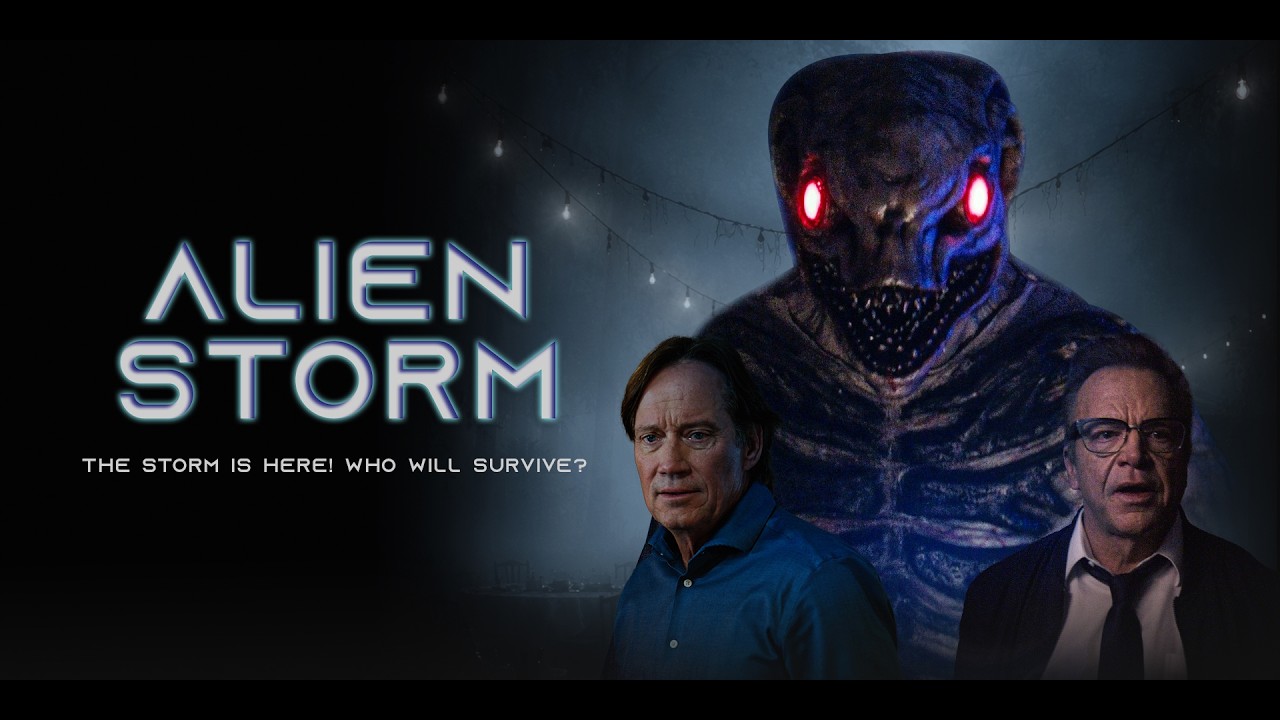
MoreHorrorMovies.com - Adam Werth directs the new sci-fi action-horror film from Mahal Empire Productions, starring Robert Standley, Laura Mason, Tom Arnold, Kevin Sorbo, Glenn Plummer and Greg Tally. Las Vegas has survived mobsters, magicians, bachelor parties and more cinematic destruction than most cities could reasonably endure. In Alien Storm, Sin City faces something far stranger: a mysterious fog carrying a presence that no underground shelter can keep away. The new sci-fi action-horror film from Mahal Empire Productions follows Frank McConnelly, a successful businessman whose extravagant celebration descends into an apocalyptic fight for survival. Directed by Adam Werth, the 74-minute feature combines alien-invasion terror, bunker paranoia and high-concept action against the glittering backdrop of Las Vegas. Robert Standley stars as Frank, a devoted husband, father and businessman preparing to take his company public. To mark the occasion, he throws a massive party at his sprawling mansion, filling the estate with relatives, friends, colleagues and political figures. The celebration collapses when the President of the United States interrupts the evening with an emergency broadcast. A bizarre weather phenomenon has severed communications with major cities across the world, and citizens receive orders to shelter in place. Then the power disappears. A dense, impenetrable fog engulfs the mansion, isolating everyone inside. As panic spreads through the estate, Frank reveals the secret beneath his home: a completely self-contained underground bunker equipped with a yard, swimming pool and enough resources to survive a global catastrophe. For a few brief moments, the shelter appears to offer salvation. Something waits inside the fog, however; something ancient, alien and hungry. The bunker Frank built to protect his family from the outside world soon becomes the last line of defense against a force he never imagined. Trapped underground as the presence closes in, the party guests must confront a brutal question: Can any amount of preparation protect humanity from the genuinely unknown? A Sci-Fi Horror Story About the Illusion of Control Werth describes Alien Storm as both an extraterrestrial survival story and an exploration of humanity’s faith in its own preparations. “When I set out to make Alien Storm, I wanted to explore something deeply human—the illusion of control,” Werth said. “Frank McConnelly has spent years preparing for the worst, building something extraordinary beneath the surface. And yet, nothing he’s done can fully prepare him for what arrives in that fog.” That conflict is the films central pressure point. Frank has anticipated social collapse, infrastructure failure and the end of modern civilization. His bunker represents wealth, ingenuity and 0bsessive foresight carved into concrete. The alien force transforms that achievement into a seald chamber surr0unded by darkness. “That tension between preparation and helplessness is at the heart of this film,” Werth added. The director also approached the project as a full-throttle piece of genre entertainment, blending suspense and creature-driven horror with the spectacle audiences expect from a Las Vegas setting. “I wanted to make something that felt genuinely fun and scary at the same time,” he said. “Las Vegas is the perfect setting—a city that never sleeps, built on excess and spectacle. When the lights go out there, the darkness means something.” Werth previously directed Devil’s Knight and Bermuda Island, establishing a filmography grounded in independent action, horror and supernatural storytelling. He calls Alien Storm his most ambitious project to date. Familiar Faces Enter the Fog Standley leads the cast as Frank McConnelly, with Laura Mason playing his wife, Ophelia McConnelly. The supporting cast includes Tom Arnold as Mayor Walker, Kevin Sorbo as the President of the United States, Glenn Plummer as Major Haines, Greg Tally as Solomon Justice and Wesley Cannon as Paul. Professional wrestling personalities The Godfather and D’Lo Brown also appear in celebrity cameos, adding two recognizable WWE legends to the ensemble. Sonny Mahal and Michael Mahal produced the film through Mahal Empire Productions, the independent company behind a growing catalog of action, fantasy and horror titles. The producers developed Alien Storm as a containd survival thriller built around an ensemble cast, a fortified location and an otherworldly threat pressing against the walls. The premise taps into a distinctly modern fear. Survivalists can stock food, generate electricity and reinforce steel doors. Wealth can construct an artificial world beneath the desert. Every system still depends upon an understanding of the danger outside. In Alien Storm, the danger arrives without a rulebook. Alien Storm is an English-language sci-fi action-horror film from Mahal Empire Productions. The 2026 release runs 74 minutes and has not been rated. Find on Amazon Prime Video and Apple TV. Watch the trailer below:
- TERROR FILMS RELEASING Brings Sleep-Paralysis Horror ‘Night Terror’ to Streaming
MoreHorrorMovies.com - Terror Films Releasing has teamed with writer/director Joshua Brucker and director Hunter Nino to bring the found-footage horror film Night Terror to streaming audiences worldwide beginning September 4, 2026. Starring Hunter Nino, Marleigh Arnold, Berkeley Slightom, and Madlyn Wierda, Night Terror follows Shelly, a young woman suffering from chronic sleep paralysis and recurring night terrors. When Shelly makes an urgent plea for help, she catches the attention of two college students who decide to document her condition as part of an academic project. What begins as an attempt to understand her experiences gradually develops into something far more disturbing. Brucker says the film grew from his longtime fascination with found-footage horror and his own experiences growing up in isolation. “I have long considered myself an enthusiast of found-footage horror films, a passion ignited in my childhood when I first rented The Blair Witch Project with my family. Although I didn’t spend much time in the woods as a child, growing up on a secluded farm instilled in me a sense of isolation that was always unsettling. “Night Terror is heavily inspired by those early experiences, capturing the isolation I felt as a youngster and reflecting some of my deepest fears. I was also in college when the first Paranormal Activity film was released, and it was then I realized I wanted to pursue a career in film. In many ways, Night Terror unites these two pivotal moments in my life. “Without revealing too much, I believe the film takes a dramatic turn in the third act, one that will leave audiences genuinely surprised.” Terror Films Releasing will release Night Terror on September 4, 2026, with the film available across platforms including Tubi, Chilling, The Roku Channel, Fandango at Home, and additional streaming outlets. Check out the official trailer below.
- ‘Crawlers’ Brings a Deadly Spider Infestation to Theaters This October
MoreHorrorMovies.com - Roadside Attractions and Saban Films are unleashing a new eight-legged nightmare this fall with CRAWLERS, arriving in theaters October 16, 2026. Directed by Ángel Gómez Hernández and starring Matilda Lutz, the upcoming creature feature traps its characters inside an apartment building after a catastrophic infestation of venomous spiders triggers a police-mandated quarantine. Lutz stars as Serena, the building manager who suddenly finds herself responsible for keeping the residents alive as the spiders spread throughout the complex and multiply at an alarming rate. Serena knows the building better than anyone, giving her a possible advantage against the infestation—provided she can confront her own deep-seated fear of the creatures hunting them. The newly released trailer offers a bloodier look at the film’s combination of claustrophobic survival horror, creature mayhem, and enough crawling legs to make arachnophobes reconsider apartment living entirely. Watch the Official Trailer: Crawlers | Official Trailer | In Theaters October 16 CRAWLERS was written by Jayson Rothwell and produced by Scott Strauss, Peter Welter, Jayson Rothwell, Basil Iwanyk, Erica Lee, Josh Weinstock, and Alexandra Milchan. Andrew Schwartzberg, Jon Shiffman, and Diarmaid McGrath serve as executive producers. Roadside Attractions and Saban Films will release CRAWLERS exclusively in theaters on October 16, 2026.